Harmoni by thePause®

Your midlife,
finally understood.

Harmoni by thePause® is the AI companion built for perimenopause, menopause, and the years between. She listens first, connects the dots across your sleep, mood, and symptoms — and helps you see the patterns no one was naming.

H
Harmoni noticed
Your sleep shifted on days you skipped water.
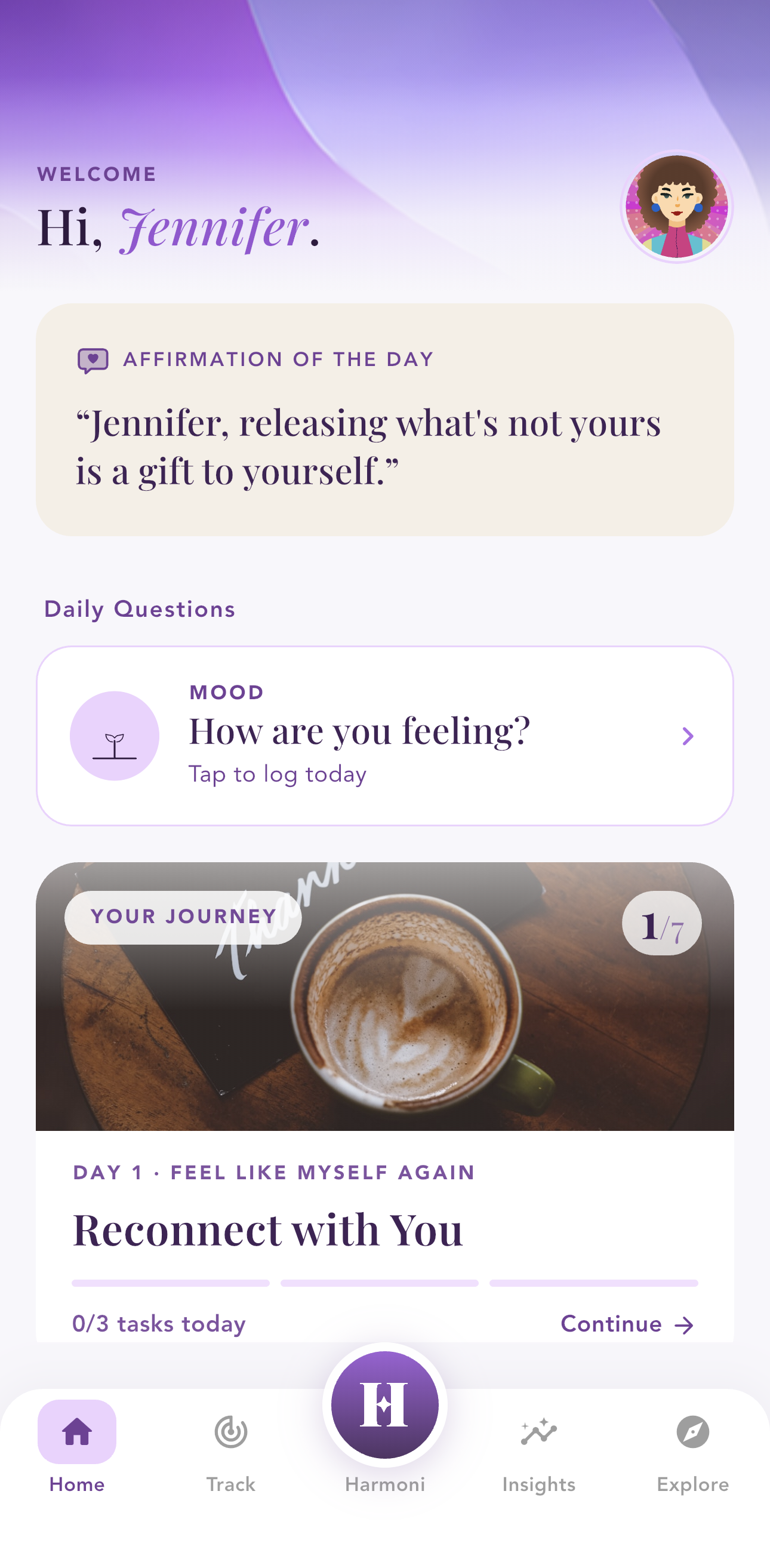
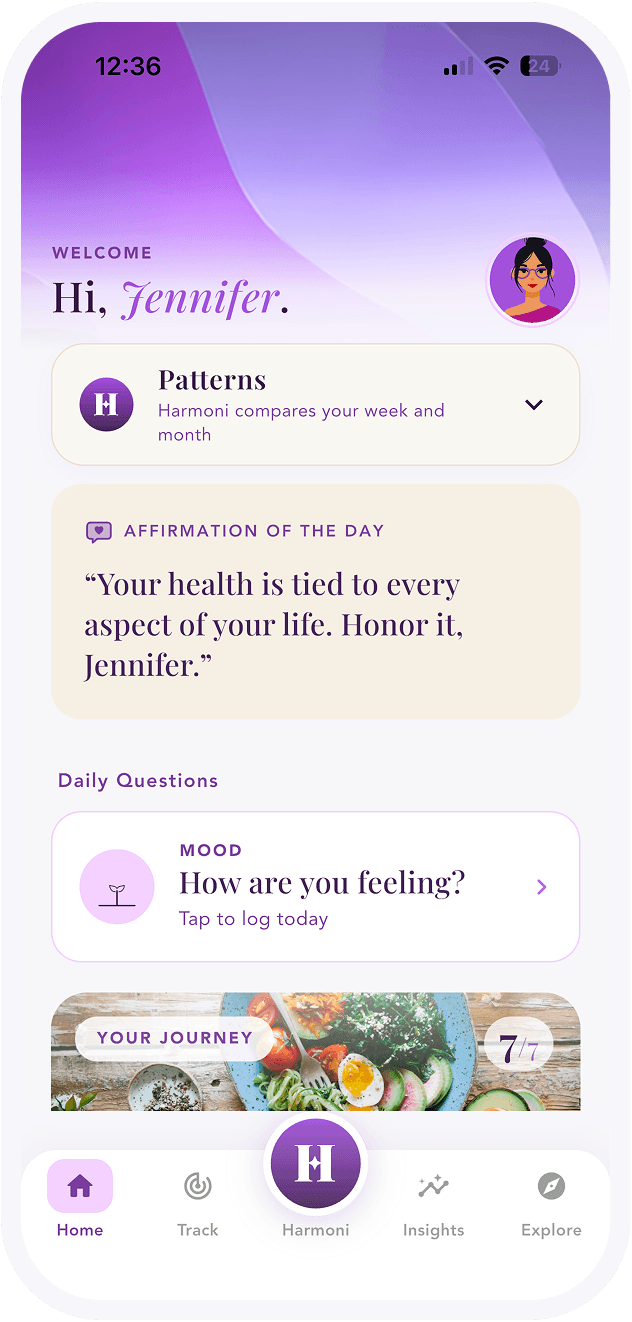
Welcome
Hi, Jennifer.
Affirmation of the day
“Jennifer, releasing what's not yours is a gift to yourself.”
Daily Questions
Mood
How are you feeling?
Tap to log today
Your Journey
2/7
Day 2 · Reduce My Symptoms
Body Awareness
0/3 tasks today
Continue
Today
Daily goals
0 / 5
Steps
0 / 8,000
Exercise
0 / 20 min
Water
0 / 8 glasses
Gratitude
0 / 5
Home
Track
Insights
Explore
H
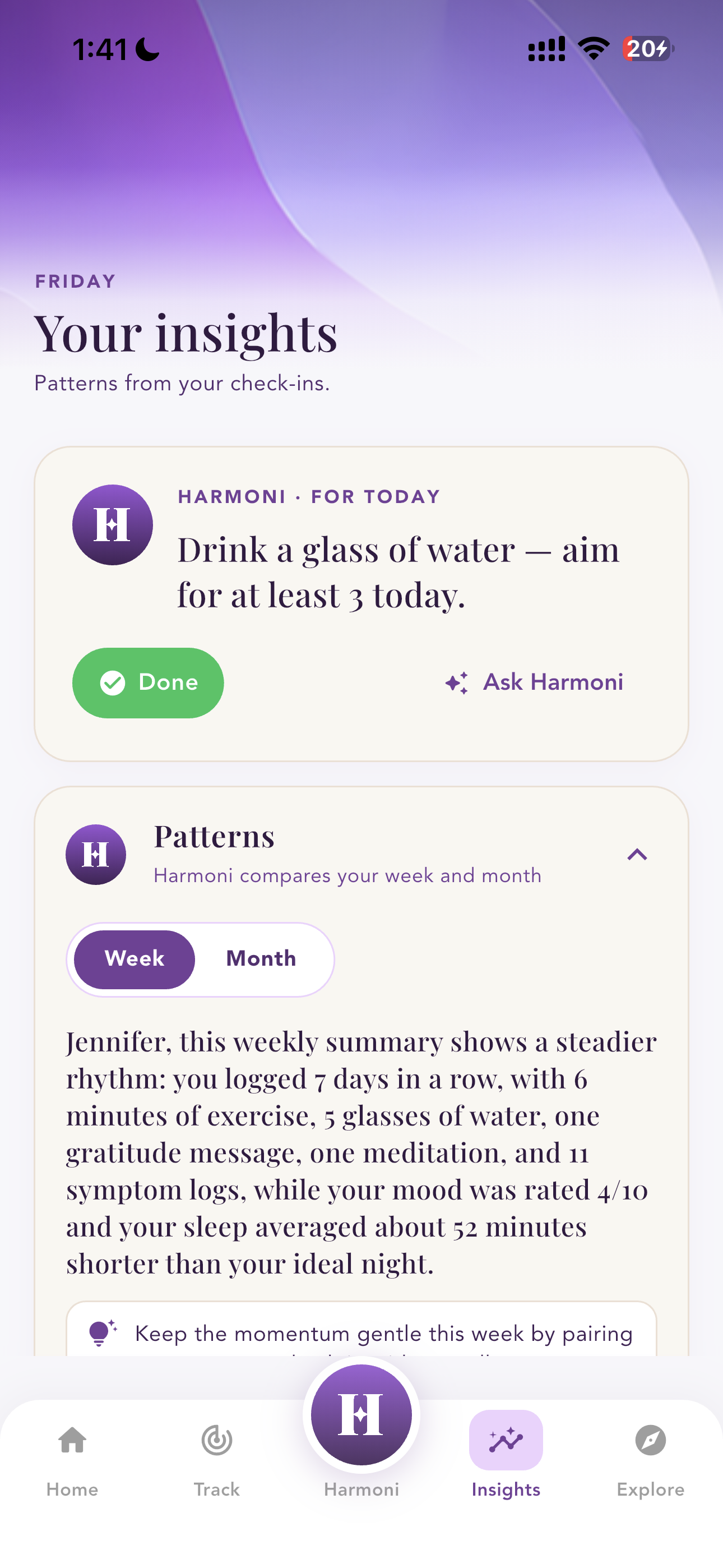
Harmoni insight
Hot flashes down 24% this week.
in the press

As featured in the publications women trust.

why we built thePause®

From Confusing Patterns to Actionable Insights.

Too many women enter midlife without clear language for what they're experiencing. Changes in sleep, mood, energy, focus, and body signals can feel disconnected or confusing. Harmoni by thePause® helps you bring those pieces into one place, so you can notice patterns, ask better questions, and feel more supported along the way.

Perimenopause

You feel the shift before you have the words.

Sleep, mood, energy, and focus may start to feel different.

Menopause

You should not have to piece it together alone.

Track what you're feeling. See what repeats.

Postmenopause

A new chapter, not an afterthought.

Your body, routines, and needs may continue to evolve.

meet harmoni

Like a friend who's read the research.

Harmoni by thePause® is the AI companion that listens first. She notices what you can't. She'll never quote a study at you, but she read them all, and she'll bring one up if it matters.

Listens first

Ask in plain language. No symptom checklists, no clinical tone.

Connects the dots

Sees patterns across your sleep, mood, and symptoms over months.

Honest about its limits

Never diagnoses. Knows when to nudge you toward a clinician.

H

Harmoni

here, listening
I haven't slept well in three nights.
You · just now
H
I'm sorry. Three rough nights in a row is its own kind of tired. I noticed your water log is lighter this week, and sometimes the two travel together. Want to look at it side by side?
Harmoni · just now
Try asking
what you track

Seven trackers. One steady rhythm.

Logging is a single breath, not a chore. Each tile takes one tap. Harmoni reads them together, never in isolation, and tells you what she sees.

Sleep
Hours, quality, the 3 AM wake-up.
Water
A gentle count. No shaming if you skip.
Exercise
Walks, strength, rest. Movement that counts.
Gratitude
One thing. Harmoni remembers them.
Steps
Daily steps, synced from your device.
Alcohol-free days
Mindful days, gently counted.
Symptoms
Hot flashes, brain fog, joint aches, named.
already wearing one?

Your wearable already knows half the story.

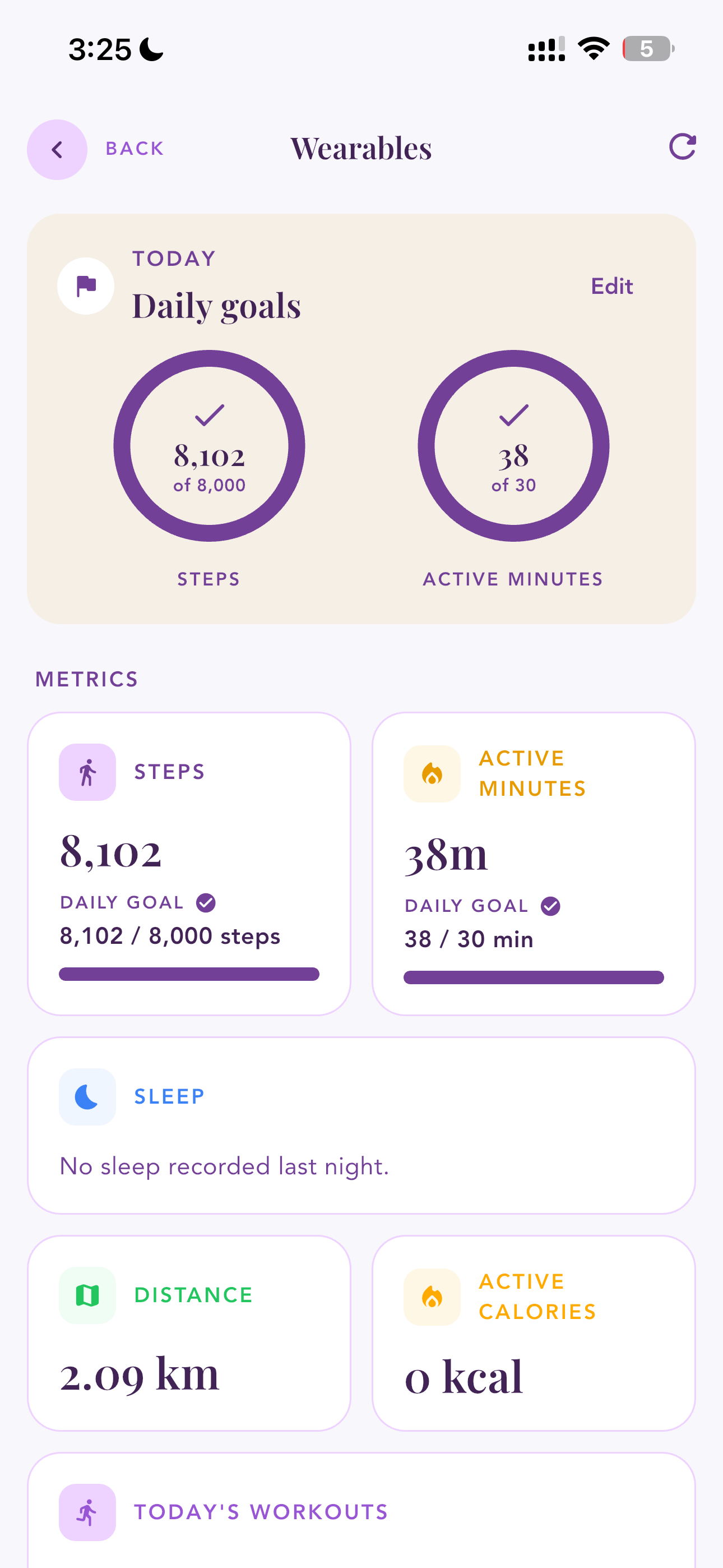
Harmoni syncs with the devices you already wear — sleep, heart rate, steps, and recovery flow in automatically so your tiles fill themselves.

  • Apple Health
  • Fitbit
  • Oura
  • Garmin
more than tracking

More than a tracker. Genuinely more.

Harmoni reads your week like a friend reading your face — and then keeps you company. Affirmations, insights, journeys, meditations, challenges, wearable sync, and a daily Hot Flashes feed, all in one calm place.

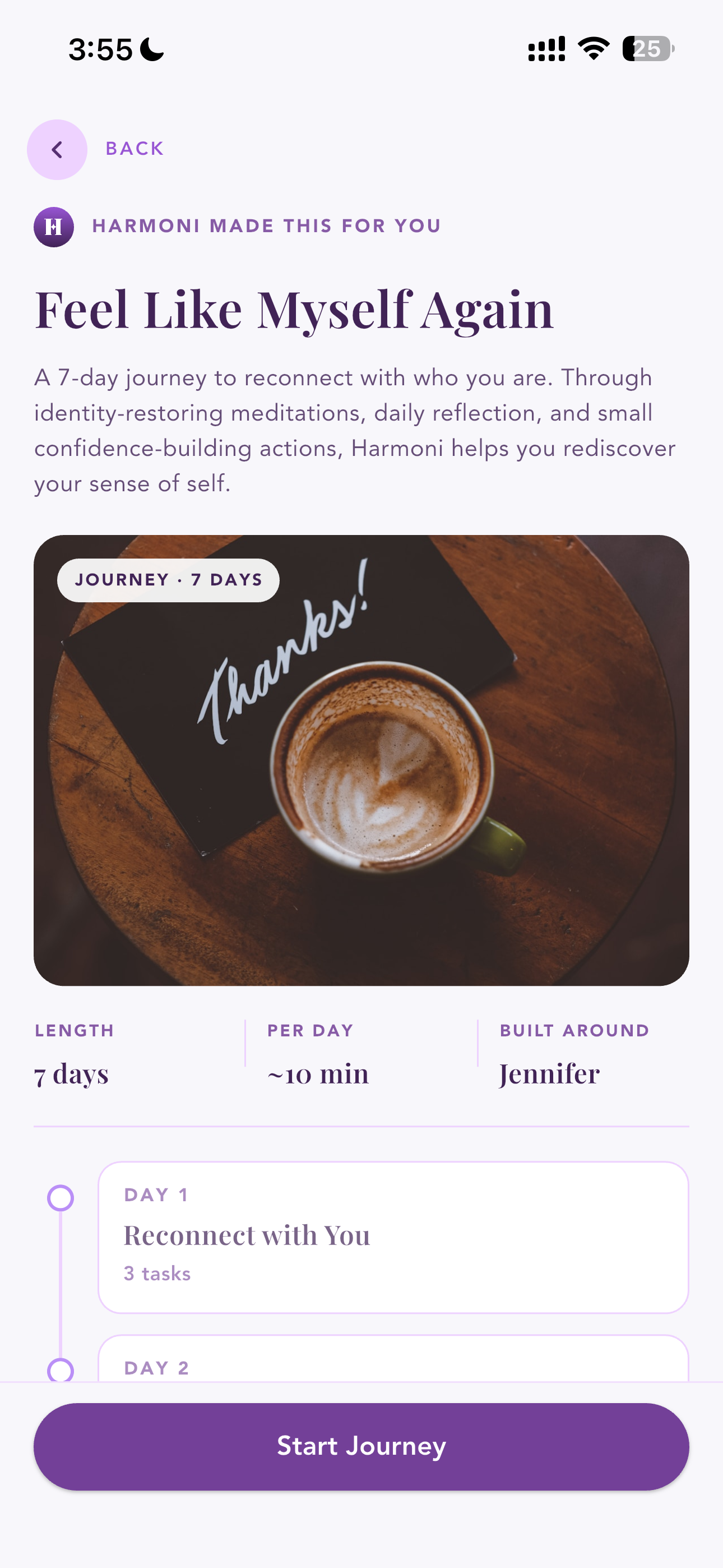
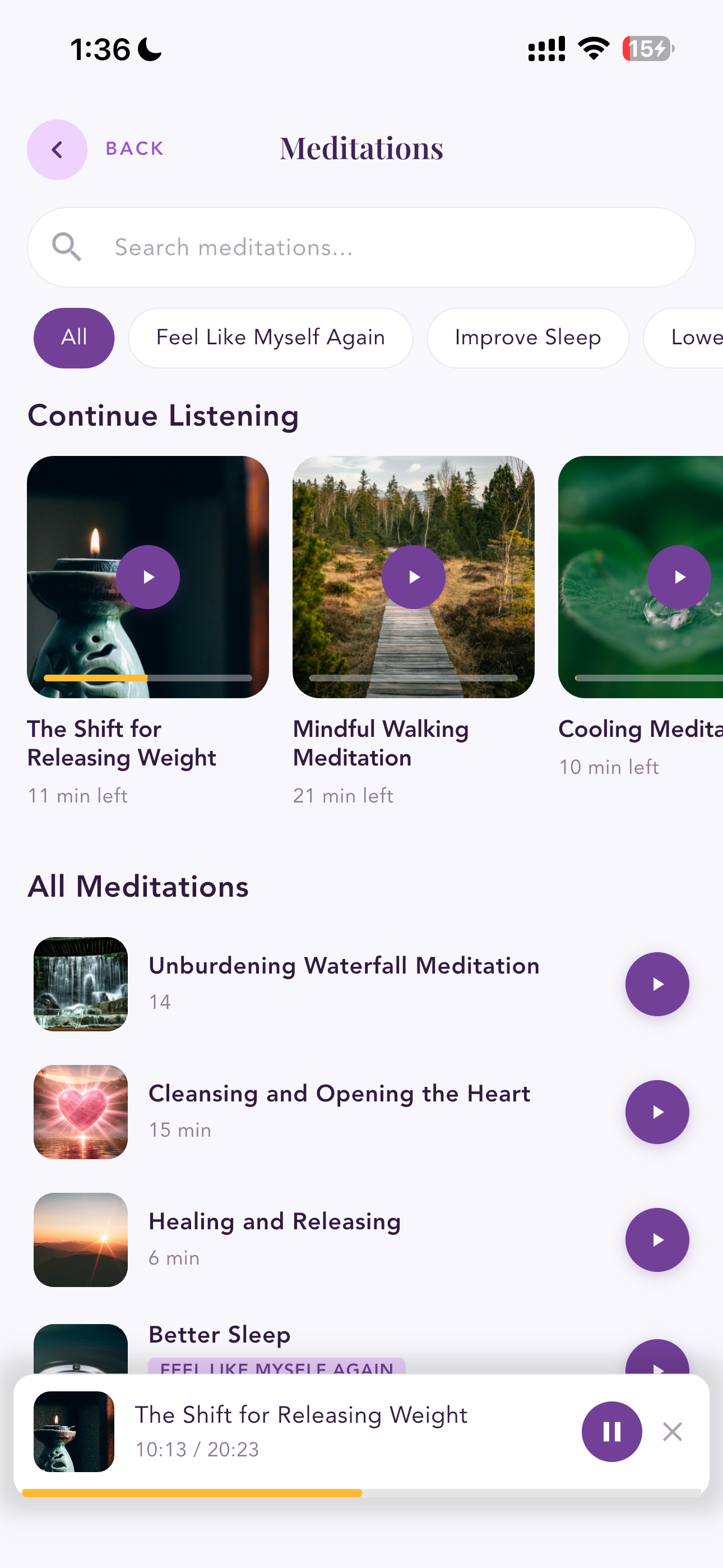
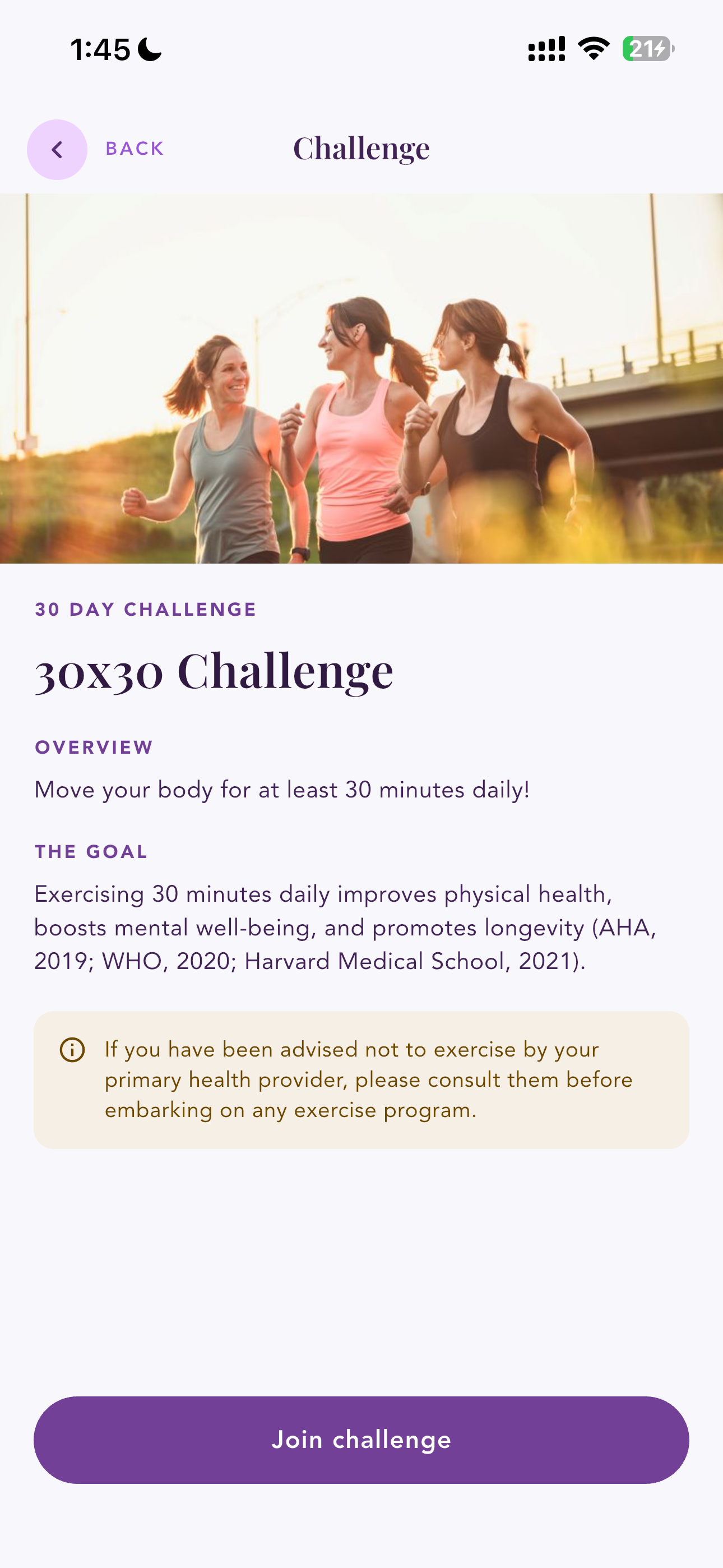
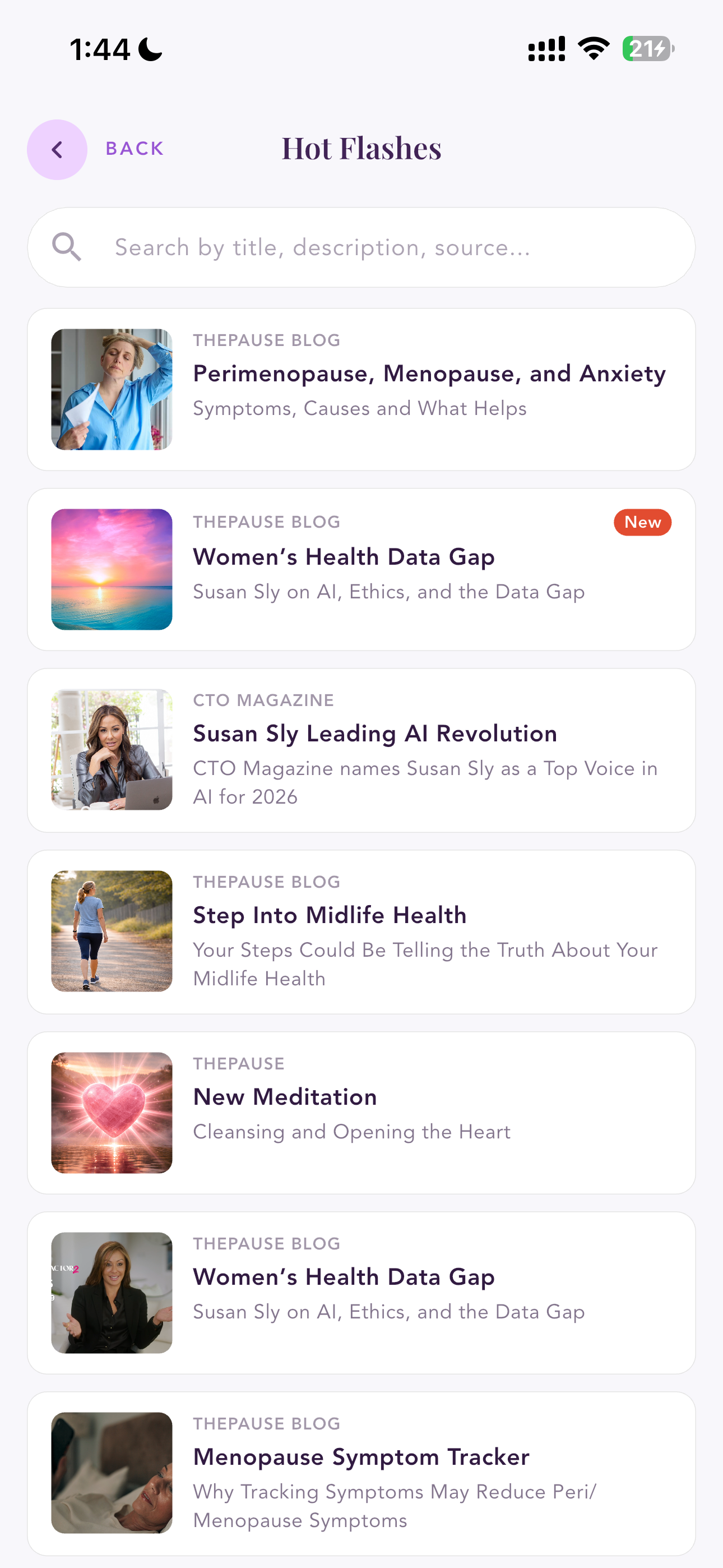
Harmoni home screen Insights screen Guided journeys Meditations Challenges Wearable sync Hot Flashes feed
1 / 7
for every body

For every body that's been
told to push through
this.

thePause® is for women in every shade, shape, and stage of midlife. The women in their early 30s who can't get a name for what's happening, the women in their late 50s who finally have language for it, and everyone in between.

five stars · app store

The reviews we keep.

Real words from women using Harmoni® by thePause® today.

endorsed by clinicians

Built with the people women see.

thePause® is shaped by an advisory of women's health physicians, menopause specialists, and longevity researchers — the clinicians actually doing this work.

“I believe thePause fills a critical gap in women's health. It delivers trustworthy, clinically grounded guidance in a format women can actually use in their daily lives. This is the kind of smart, accessible innovation that will elevate the standard of care for perimenopause and menopause.”
Dr. Lisa Larkin
Dr. Lisa Larkin
MD · FACP · MSCP · IF
“As a women's health physician, I appreciate thePause's commitment to science-backed, practical guidance. It offers clear, compassionate support that helps women understand their symptoms and make informed decisions about midlife health.”
Dr. Mitzi Krockover
Dr. Mitzi Krockover
MD
“thePause is straightforward and intuitive, and the symptom cards are one of its best features. They make it easy to track symptoms each day, recognize patterns, and give the clarity you need for meaningful conversations with your clinician.”
Dr. Jen Burke
Dr. Jen Burke
MD · CAQSM · DipABLM · NBC-HWC · MSCP
“After years in the health innovation space, it takes a lot for a product to truly stand out. thePause does exactly that. Their use of AI to support women through menopause is both smart and compassionate. Genuinely groundbreaking.”
Dr. Michael Collins
Dr. Michael Collins
Health Innovation
meet our founders

Built by the women in it.

thePause® was founded by a women's health clinician and a top-ranked AI entrepreneur, both navigating the questions the rest of healthcare wasn't asking.

Co-Founder and CMO

Dr. Mia Chorney

DNP · FNP-BC · MSCP

A women's health practitioner advancing women's longevity and cardiovascular care through evidence-based, precision healthcare. A leader in women's heart health and Menopause Society member, with deep expertise in genetics and AI.

Dr. Mia ChorneyMia Chorney
Susan SlySusan Sly
Founder and CEO

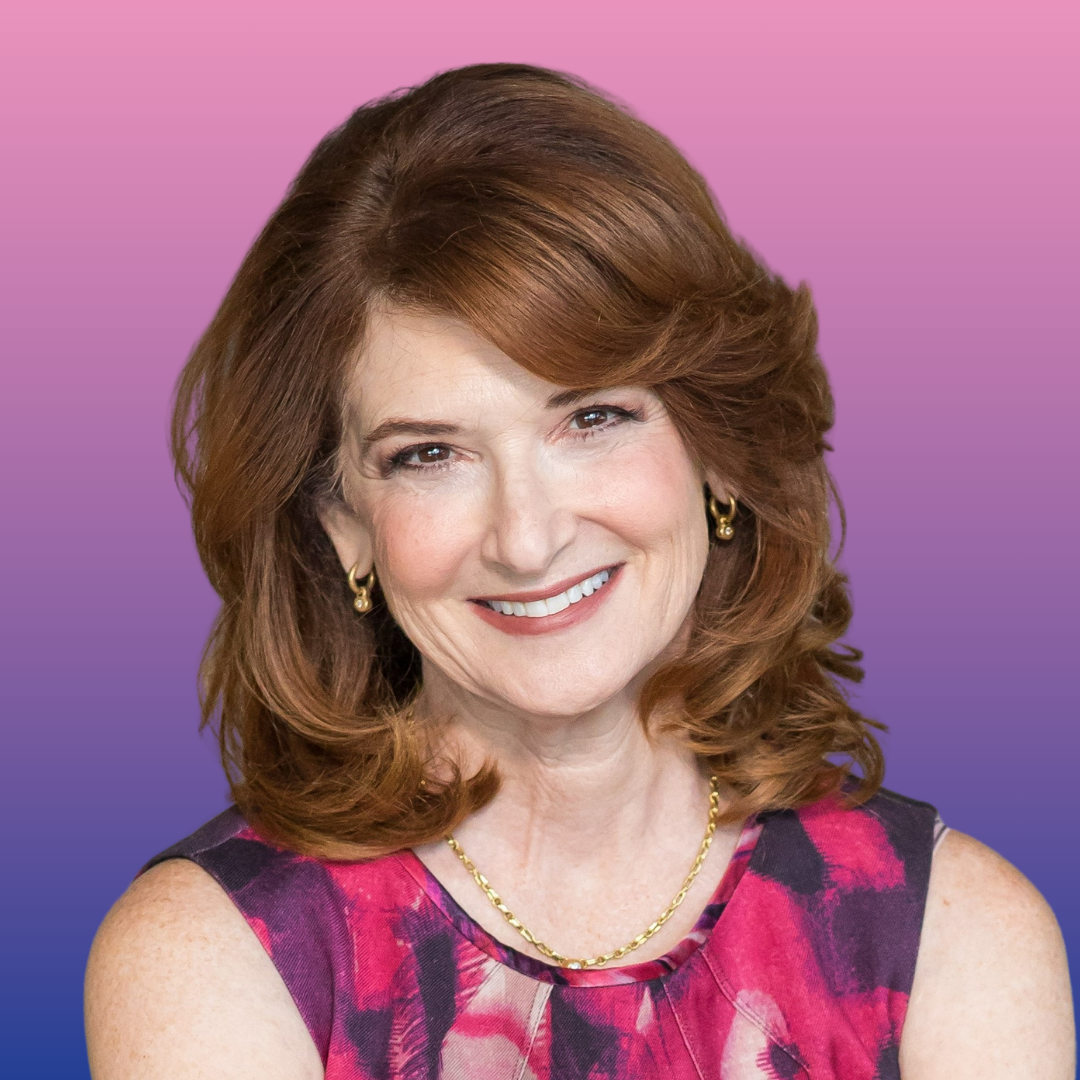
Susan Sly

MIT Sloan · MIT CDO Program

Voted one of the top women in AI globally in 2024 and recipient of the Rosalind Franklin Society Outstanding Women in Science award. Previously co-founded a leading computer vision AI company. Her podcast Raw and Real Entrepreneurship has reached 166 countries.

backed & partnered

Built alongside the right partners.

Mayo Clinic + Arizona State University
2025 MedTech Accelerator

Mayo Clinic + Arizona State University
Alliance for Health Care

The Menopause Society Microsoft for Startups Go Red for Women
HPE — Hewlett Packard Enterprise
HIMSS What's Next, Health Arizona Bioindustry Association
begin when you're ready

Start with one breath.

Your perimenopause and menopause companion. Five minutes of onboarding. The first insight by week two. Cancel any time.

Download on the App Store Get it on Google Play
We never sell your data — ever
End-to-end encrypted
Not shared with insurers or employers
Delete your account & data any time
Questions & Answers

Common questions,
clearly answered.

What perimenopause and menopause really are, what to track, and how the Pause helps you walk into your next appointment with data your clinician can use.

Sources: NAMS · NIH · Mayo Clinic · The SWAN Study, reviewed with our medical advisory board.

Understanding the transition

What is perimenopause?

Perimenopause is the hormonal transition before menopause, when the ovaries gradually produce less estrogen and progesterone. It usually begins in the mid-to-late 40s and lasts around four years on average. Most of what people call "menopause symptoms" — hot flashes, broken sleep, mood shifts, brain fog — actually happen during perimenopause, not after it.

How is perimenopause different from menopause?

Perimenopause is the transition phase. Menopause is a single point in time — the day that marks twelve consecutive months without a period. You can only confirm it looking back. Everything before that day is perimenopause; everything after is postmenopause.

At what age does perimenopause usually start?

Most women enter perimenopause in their mid-to-late 40s. The average age of menopause in the U.S. is 51 (NAMS), so perimenopause often begins around 45–47 — though it can start in the late 30s or early 40s. Menopause before age 40 is called premature ovarian insufficiency and is worth discussing with a doctor.

How long does perimenopause last?

About four years on average, but the range is wide — anywhere from one to ten-plus years. The final stretch before menopause tends to bring the most frequent and intense hot flashes. Once you cross the twelve-month mark, you're postmenopausal.

Symptoms

What are the most common symptoms?

The most reported are irregular periods, hot flashes, night sweats, disrupted sleep, mood changes such as irritability and anxiety, brain fog, lower energy, vaginal dryness, and changes in libido. Around 80% of women experience hot flashes or night sweats during the transition (NAMS).

Is brain fog really a perimenopause symptom?

Yes. Trouble concentrating, losing words mid-sentence, and memory lapses are documented. The SWAN study measured real declines in verbal memory and processing speed during the transition. For most women, cognition returns to its earlier baseline in postmenopause.

Why is my sleep so disrupted?

Several things stack up at once: night sweats wake you physically, falling estrogen and progesterone change sleep architecture, anxiety makes it harder to drift off, and sleep apnea risk rises in midlife. Studies estimate 40–60% of perimenopausal women have clinically significant sleep disturbance — which is exactly why tracking sleep alongside symptoms is so revealing.

Can perimenopause cause anxiety and mood changes?

Yes. Hormonal fluctuations directly affect the brain systems that regulate mood, so increased irritability, anxiety, or low mood are common — often strongest in the days before a period. Women with a history of PMS or mood conditions may feel it more. These changes are physiological, not "all in your head."

Tracking with the Pause

Why should I track my symptoms?

Perimenopause is diagnosed from symptoms and history, not a single blood test. A couple of months of consistent data lets your clinician make a faster, more accurate assessment than a from-memory summary ever could — and it helps you see your own patterns and triggers along the way.

What can I track in the app?

The Pause covers the data points that matter most: symptoms (including hot flashes and energy), sleep, mood, daily check-ins, and more across eight trackers. Symptom severity is kept simple and honest — mild or impactful — so logging stays quick. If you wear an Apple Watch, sleep can flow in automatically and sit side by side with your own notes.

How does tracking help at a doctor's appointment?

It replaces a subjective recap with objective data over time. Your My Insights report shows symptom frequency, severity trends, and sleep patterns month by month and day by day — formatted so a clinician can read it in under a minute and spend the appointment on you, not on reconstructing the timeline.

How long should I track before an appointment?

Aim for two to three months of consistent logging. That's enough to show how your cycle and symptoms vary, rather than a single week's snapshot. That said, don't wait if symptoms are affecting your quality of life — log what you can and start the conversation.

About the Pause & Harmoni

What is Harmoni?

Harmoni® is the AI companion built into the app. She supports you with noticing the patterns in your tracking — sleep, symptoms, mood, energy — and turns them into plain-language insights and gentle, midlife-specific guidance. Think of her as a knowledgeable companion who already knows your data, available whenever you check in.

Can I export a report for my doctor?
Coming soon

My Insights generates a clean PDF — monthly and day-by-day — covering your symptoms, severity trends, and sleep. It's built for clinical readability so your doctor can scan it at the start of a visit and act on it.

Is the Pause available on iPhone and Android?

Yes — the Pause is available on both iOS and Android. Scan the code on our app page or search your store to download.

The Pause is a personal health and wellbeing tool, not a medical device. It does not diagnose, treat, or replace professional care. Always consult a qualified healthcare professional for guidance specific to you.